From crisis towards the life people want, one small step at a time
Power Up is a facilitated programme for people who’ve been through crisis and are ready to look ahead. With a trained facilitator, they map where they are and where they’d like to be, make something to explore it, and choose one small action of their own.
Why Power Up exists
Getting through a crisis isn’t the same as moving forward. People who’ve been surviving for a long time can lose touch with what they actually want. Many have been told, by services or by people who should have protected them, that they are the problem.
Power Up is the step after things have steadied. It offers a different story: the person decides what matters, and each small action they complete is evidence that they can change things.
Who it’s for
- People the Hub has supported through crisis who feel steady enough to look ahead
- Anyone, at any pace. There’s no fixed timeline, and the person leads
- No artistic skill, paperwork or “right answers” needed
Power Up isn’t therapy. When someone needs more than it can offer, the Hub refers them on.
Part of a bigger journey
Power Up isn’t a standalone programme. It’s one part of the Gateway model, and it’s a bridge, not a destination.
- Stage 1
First contact
Food bank and community shop
- Stage 2
Crisis support
Crisis lounge, forms and advocacy
- Stage 3
Stabilise
Referrals and liaison with other agencies
- Stage 4
Power Up
Mapping, creativity and small steps
This programme - Stage 5
Independence
Goals met, confidence rebuilt
- Stage 6
Volunteer
Neighbours helping neighbours
Some people go on to volunteer. They aren’t a success story to show off; they’re a continuation of the model.
How a Power Up session works
Face to face, two chairs at the same level, with a whiteboard and craft materials within reach. Three phases, led by the person, at their pace.
Polarity mapping
Two overlapping circles on a board: Crisis and Dream.
- The person fills in what’s making things hard right now, then what they’d like life to feel like.
- There’s no right or wrong, just what’s true for them.
- The overlap is left blank. The facilitator asks what one small thing might move them slightly from crisis towards dream.
Creative expression
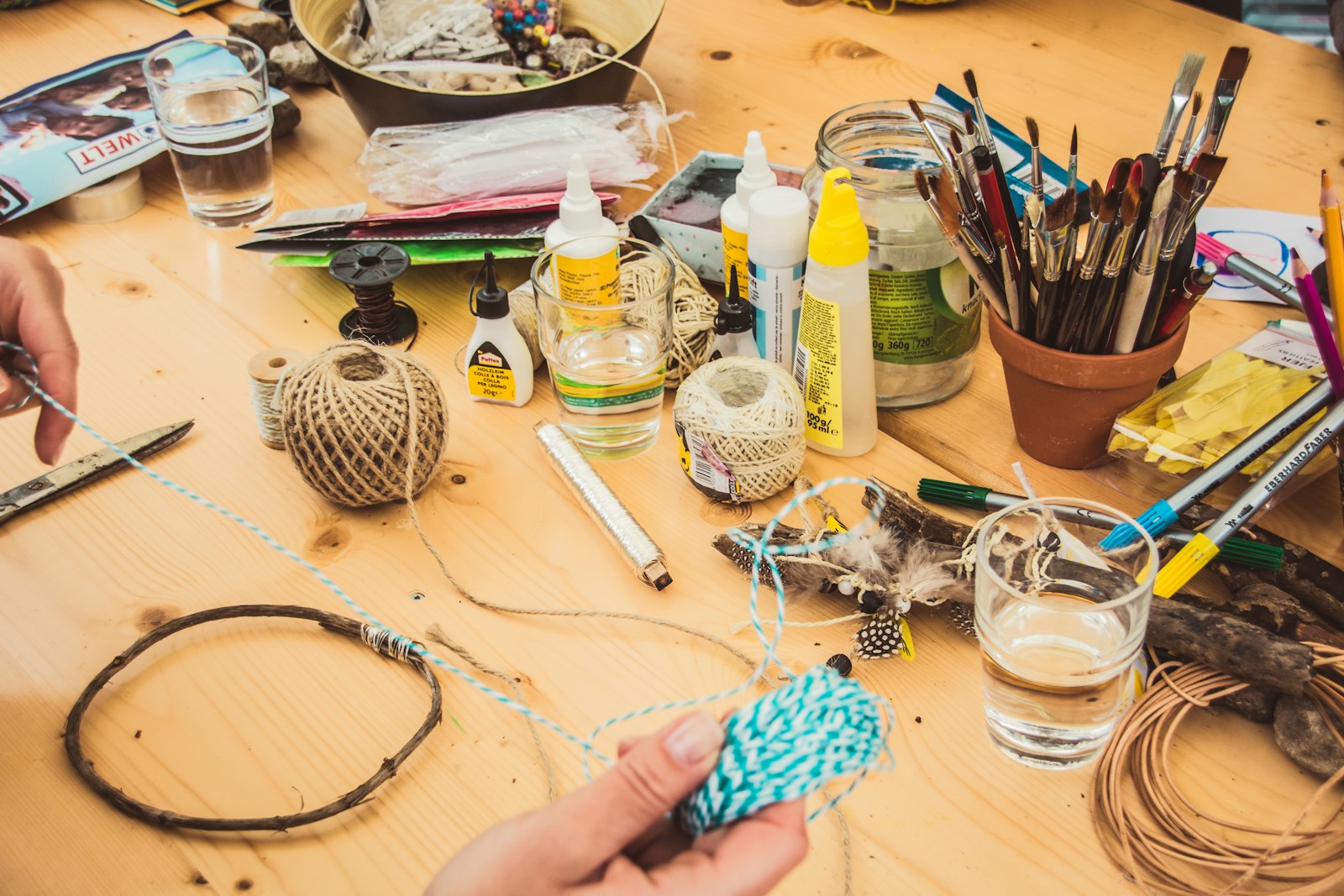
Making something that represents the crisis, and something that represents the dream.
- No skill needed and no judgement. The facilitator stays quiet and doesn’t interpret.
- Afterwards: “Tell me about what you made. Did anything surprise you?”
- It’s never forced. Some people aren’t ready, and that’s fine.
Small steps
One action. Small, specific and theirs.
- It comes from the person. The facilitator can ask what feels possible but never suggests the action.
- Small enough to do this week: not “sort out my benefits” but “find the letter and read it”.
- They write it down themselves, and a date is set for the next contact.
What makes it different
The person is the expert
Facilitators aren’t there to fix anyone. They help people hear themselves more clearly.
Lived experience is a qualification
Having been through hardship earns a kind of trust that no training can.
We move at the speed of trust
No agenda, no timeline, no target. If a session stays with the crisis for an hour, that’s where it needed to be.
A neighbour, not a professional
Facilitators sit alongside people, literally and figuratively.
Safe for participants, sustainable for facilitators
Facilitators are trained and supported, and lived experience is valued as a qualification. They work from the Power Up training manual. It’s a guide to the values, not a script.
- Safeguarding overrides confidentiality, and the person is told first, calmly and clearly.
- Every concern goes to the safeguarding lead immediately.
- Every session is followed by a debrief for the facilitator. It isn’t optional.
- Records note what happened in the person’s own words, not judgements about them.
- When someone needs more than Power Up can offer, they’re referred on.
Support between sessions
We’re developing an AI support companion that keeps the thread going between face-to-face sessions. It works only from the plan the person agreed with their facilitator. It reflects rather than directs, and it never changes the plan. Facilitators can read every conversation. It doesn’t replace people.
What success looks like
- People feel heard and in control of their own next step.
- A pattern of agency: actions completed, not perfectly but consistently.
- Moving on to independence, and for some, back into the community as volunteers.
We don’t score people’s progress or measure how close anyone is to “independent”. Records support continuity of care; they aren’t assessments of a person.
Support Power Up
Power Up is currently in its pilot edition. If you fund, commission or refer into community support and want to know more about the programme, its training, or the between-sessions companion, we’d like to hear from you.